August 26, 2026
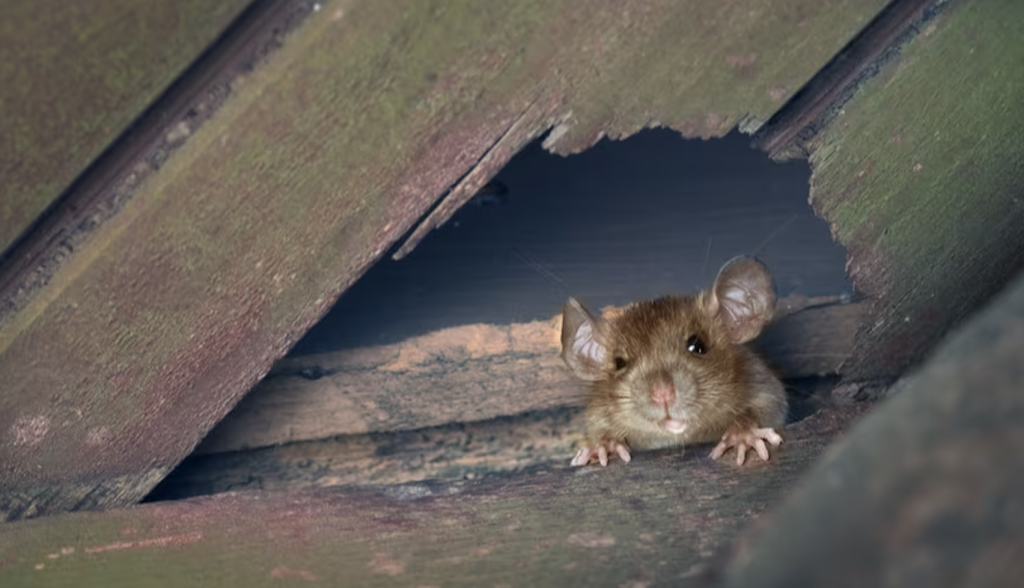
When homeowners hear scratching, scurrying, or thumping above their ceiling, the first instinct is often to ignore it. But noises in the attic are rarely harmless. Rodents, squirrels, and raccoons can cause extensive damage long before they’re discovered — and most of that damage isn’t covered by standard homeowners insurance.
Understanding how attic pests impact your home, your safety, and your insurance policy can save you thousands in repairs and prevent long-term structural issues.
Florida’s warm climate makes attics an ideal nesting spot for unwanted wildlife. Rodents seek shelter from predators, squirrels look for safe places to raise their young, and raccoons take advantage of easy access points like loose soffits or damaged rooflines.
Once inside, these animals don’t just settle in — they destroy.
The Hidden Damage Pests Cause Inside Your Attic
Attic pests can create serious hazards that affect both your home’s structure and your family’s safety. Some of the most common issues include:
- Chewed electrical wiring — one of the leading causes of attic‑related house fires.
- Destroyed insulation — reducing energy efficiency and increasing utility bills.
- Contaminated surfaces — droppings and urine can lead to mold growth and respiratory issues.
- Damaged ductwork — causing air leaks and poor indoor air quality.
- Structural weakening — especially when raccoons tear through wood or drywall.
These problems often escalate quickly, turning a small noise into a major repair.
What Homeowners Insurance Typically Covers — and What It Doesn’t
This is where many homeowners are caught off guard. Most policies do not cover damage caused by rodents, squirrels, or raccoons because insurers classify pest infestations as preventable maintenance issues.
What’s usually not covered:
- Damage from chewing, nesting, or contamination
- Repairs to insulation, wiring, or ductwork caused by pests
- Removal of rodents or wildlife
- Long-term structural deterioration caused by an untreated infestation
What may be covered:
- Sudden, accidental damage caused by a trapped animal (for example, a raccoon breaking through a ceiling)
- Fire caused by chewed wiring, depending on the policy
- Damage related to a covered peril that allowed pests to enter (such as a storm-created opening)
Understanding these distinctions is crucial. Many homeowners assume insurance will step in — but most pest-related claims are denied.
Why Being Proactive Protects Your Home and Your Wallet
Because pest damage is considered preventable, insurers expect homeowners to maintain their property and address issues quickly. Staying proactive can help you avoid costly repairs and keep your home insurable.
Here’s what experts recommend:
- Listen for unusual attic noises — scratching, thumping, or scampering.
- Inspect your attic regularly for droppings, torn insulation, or chewed materials.
- Seal entry points around the roofline, soffits, vents, and eaves.
- Schedule routine pest control to prevent infestations before they start.
- Document any damage with photos in case a related claim becomes necessary.
Small signs often point to big problems — and catching them early is the best defense.
When to Call a Professional
If you suspect pests in your attic, don’t wait. Wildlife removal specialists and pest control companies can identify the source, remove the animals safely, and help prevent future entry. After removal, a licensed contractor should assess any structural or electrical damage.
The longer pests stay, the more expensive the repairs become.
Final Thoughts
Attic pests aren’t just a nuisance — they’re a serious threat to your home’s safety and your insurance coverage. Understanding how rodents, squirrels, and raccoons impact your policy helps you stay prepared, avoid denied claims, and protect your property from preventable damage.
Staying alert to attic noises and acting quickly can make all the difference.