February 13, 2026
If you’re a Florida homeowner reviewing your insurance policy, one of the most common points of confusion is the difference between replacement cost and market value. Many homeowners assume their insurance coverage should match what their home would sell for — but in reality, insurance companies base coverage on something entirely different.
Understanding replacement cost vs market value is critical to making sure your home insurance coverage properly protects you in the event of a loss. Misunderstanding these terms can lead to being underinsured, facing unexpected out-of-pocket expenses, or experiencing claim delays when you need help the most.
Let’s break down what these terms mean and why Florida homeowners frequently confuse them.
What Is Market Value?
Market value refers to what your home could sell for in the current real estate market. This number is influenced by many factors beyond the physical structure of your house, including:
- Location and neighborhood demand
- School zones and local amenities
- Land value
- Market trends and economic conditions
- Interest rates and housing inventory
For example, a modest home in a highly desirable Florida location may have a high market value even if the structure itself isn’t expensive to rebuild.
Market value is important for real estate transactions, but it is not the number used to determine homeowners insurance coverage.
What Is Replacement Cost?
Replacement cost refers to the amount it would take to rebuild your home from the ground up using similar materials and construction standards after a covered loss.
Insurance companies calculate replacement cost using factors such as:
- Square footage
- Construction materials
- Labor costs in your area
- Roofing type
- Local building codes
- Unique structural features
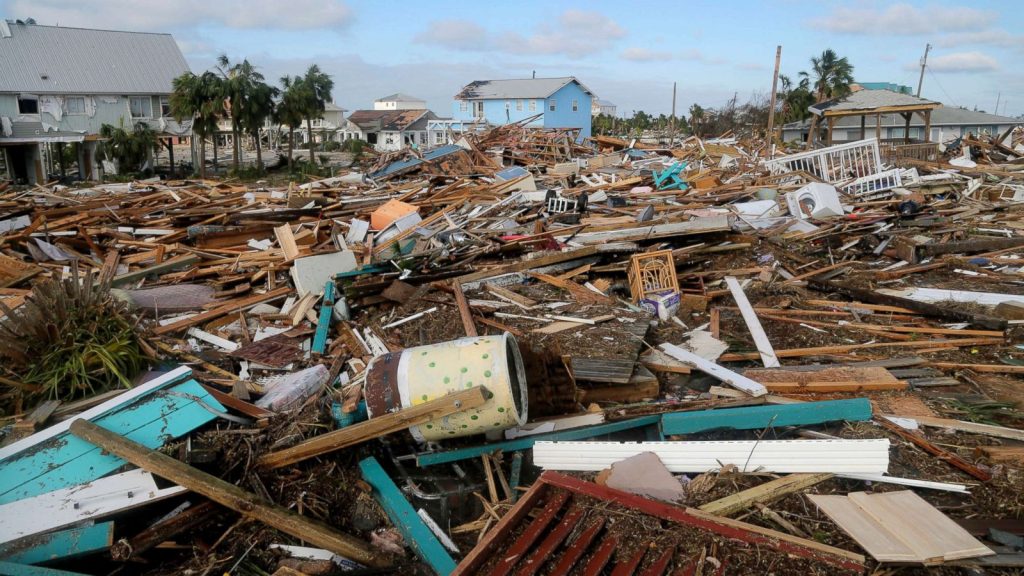
In Florida, replacement cost calculations often change due to rising construction costs, labor shortages, and updated building requirements following storms or hurricanes.
Replacement cost coverage is designed to ensure your home can be rebuilt — regardless of fluctuations in real estate prices.
Why Florida Homeowners Often Confuse the Two
There are several reasons homeowners mix up replacement cost and market value.
Rising Property Values
Florida’s real estate market has seen significant increases in home prices over recent years. When homeowners see their property value rise, they may assume their insurance coverage should increase proportionally.
However, real estate appreciation doesn’t always reflect the cost of rebuilding the structure.
Land Value vs Structure Value
A large portion of market value may come from the land itself — especially in desirable areas. Insurance policies typically cover the dwelling structure, not the land.
Misunderstanding Insurance Terminology
Terms like dwelling coverage, replacement cost, actual cash value, and policy limits can be confusing without guidance from an experienced insurance agent.
Why Insuring Based on Market Value Can Be Risky
Choosing coverage based on market value instead of replacement cost can create significant gaps in protection.
Potential risks include:
- Being underinsured if rebuilding costs exceed your policy limits
- Claim disputes during total losses
- Increased financial responsibility after hurricanes or major storms
- Delays in rebuilding due to insufficient coverage
Florida homeowners insurance policies are designed to focus on rebuilding costs because construction expenses — not resale value — determine what it takes to restore your home.
Why Replacement Costs Are Rising in Florida
Several factors are driving higher replacement cost values across the state:
- Increased labor and material costs
- Stricter building codes and hurricane-resistant construction requirements
- Supply chain challenges
- Higher demand for contractors after storm events
This is why annual policy reviews are important. If your replacement cost estimate hasn’t been updated recently, you may not have adequate protection.
Replacement Cost vs Actual Cash Value
Another important distinction is replacement cost vs actual cash value coverage.
Replacement cost coverage pays to rebuild using new materials without factoring in depreciation. Actual cash value policies reduce payouts based on age and wear, which can significantly reduce claim settlements.
Many Florida homeowners prefer replacement cost coverage because it offers stronger financial protection.
How to Know If Your Coverage Is Correct
To ensure your homeowners insurance coverage matches your needs, consider:
- Reviewing your dwelling coverage limits annually
- Requesting an updated replacement cost estimate
- Completing wind mitigation inspections if applicable
- Discussing upgrades or renovations with your insurance agent
- Evaluating additional coverage options such as extended replacement cost
Working with an experienced Florida insurance agency can help identify potential coverage gaps before they become costly problems.
Final Thoughts
Understanding replacement cost vs market value is one of the most important steps Florida homeowners can take to protect their investment. While market value reflects what buyers may pay for your property, replacement cost determines whether you can rebuild after a loss.
Making sure your insurance policy is based on accurate rebuilding costs — not real estate trends — helps ensure financial security and peace of mind when unexpected events occur.
If you’re unsure whether your current policy reflects true replacement cost, a professional policy review can help clarify your coverage and identify areas for improvement.