March 28, 2026
For Florida property owners—especially property flippers—the insurance market is becoming more challenging than ever. One of the biggest reasons carriers are refusing coverage or issuing non‑renewals is the presence of old electrical panels.
If your home or investment property still has outdated electrical systems, you could be facing higher premiums, limited carrier options, or even a complete policy cancellation. Understanding why this is happening can help you protect your property, your investment, and your long‑term financial stability.
Why Old Electrical Panels Are a Red Flag for Insurance Companies
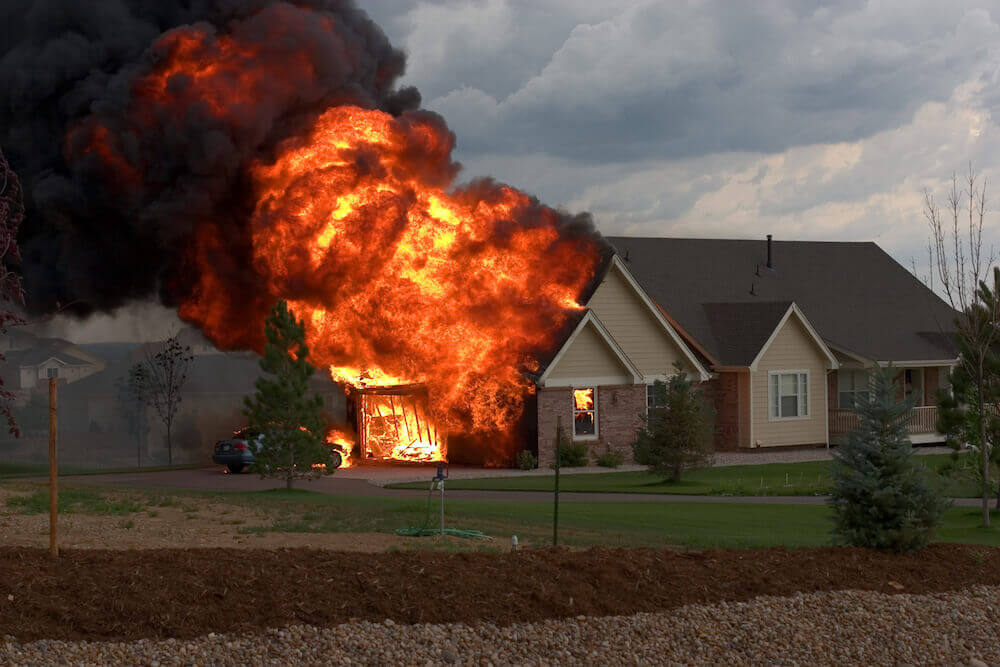
Insurance carriers evaluate risk, and outdated electrical panels are considered a major hazard. These older systems are more likely to cause:
- Electrical fires
- Overheating and breaker failures
- Power surges
- Significant property damage
Panels such as Federal Pacific (FPE), Zinsco, Challenger, and certain Sylvania models have long histories of safety issues. Many have failed modern testing standards or been linked to fire risks. For insurers, these panels represent increased claim exposure—and in today’s tightening market, they are unwilling to take on preventable risks.
Why Property Flippers Are Being Hit the Hardest
If you’re flipping homes in Florida, you’re already navigating strict underwriting guidelines. Add an outdated electrical panel, and many carriers will decline coverage immediately.
Here’s why flippers face additional scrutiny:
1. Older homes come with higher risk
Many investment properties are older builds with outdated wiring, aluminum branch circuits, or panels that haven’t been updated in decades.
2. Carriers expect updates before binding coverage
Insurance companies often require electrical upgrades before they will issue a policy. If the panel is outdated, they may refuse to bind coverage until it is replaced.
3. Liability lawsuits are increasing
With economic pressure rising, liability lawsuits tied to electrical fires, improper renovations, and unsafe systems are becoming more common. Carriers are tightening guidelines to protect themselves.
4. Quick turnaround renovations raise concerns
Insurers know that homes changing hands quickly can lead to overlooked repairs or rushed updates. An old panel is a liability they won’t accept.
What Property Owners Should Do Right Now
If you own or plan to purchase a home with an older electrical panel, here are the steps that can help you stay insurable:
Get a licensed electrician to inspect the panel
A professional can identify outdated components, aluminum wiring, or unsafe breakers.
Replace high‑risk panels immediately
Upgrading to a modern, code‑compliant panel improves safety and expands your insurance options.
Document all electrical updates
Keep receipts, permits, and photos of completed work. Documentation helps during underwriting and claims.
Work with an independent insurance agent
An independent agency like Secured Insurance Group can help you find carriers that still write policies for older homes or guide you on required updates.
The Bottom Line
Old electrical panels aren’t just outdated—they’re a major insurance liability. In today’s market, where carriers are tightening guidelines and lawsuits are increasing, property owners and property flippers cannot afford to ignore electrical upgrades.
Updating your panel now can:
- Reduce risk
- Improve insurability
- Lower premiums
- Protect your investment
- Prevent claim denials
If you’re unsure whether your panel is on the high‑risk list, now is the time to find out.